

About Termexo
Reviews 9
-
Ruben McClure 3 months ago
windows local workbench for coding agents, finally 👏 been waiting for this on win
-
Esteban Kilback 3 months ago
Your answer to Omri is the most interesting thing on this page and nobody has followed it. Files already written remain on disk, and the in flight operation does not survive. So after a crash the filesystem has moved but the agent's belief about what it did is gone. On resume it reads a conversation that stops mid action, and nothing in that transcript tells it whether the tool actually completed. It cannot separate "the tool ran and I never saw the result" from "the tool never ran". If the action was idempotent that is harmless. If it was a migration, a push, a POST or an append, then redoing it and skipping it are both wrong and it has no basis to choose between them. The useful part is that Termexo is the only component that knows a crash happened. The CLI does not, because from its side a resume looks like a resume. Which means the fix is not process checkpointing, it is a note. On a resume that follows an abnormal exit, inject something the agent will read: this session was interrupted at 14:32 partway through an operation, verify state before continuing. That turns a confident silent continuation into a cautious one and it costs you one string. At the moment a clean resume and a resume after the machine died look identical to the agent, and those are the two cases that most need to look different. Asking as someone who runs agents on Windows daily: does the app currently know the difference between being closed properly and being killed?
-
Malachi Armstrong 3 months ago
Storing API keys in Credential Manager is the right call. One thing I would want to know: does each model profile get its own isolated key, or is it one key shared across all agent sessions at once? Running a client project next to a personal one, I would want those credentials fully separated at the profile level.
-
Malachi Armstrong 3 months ago
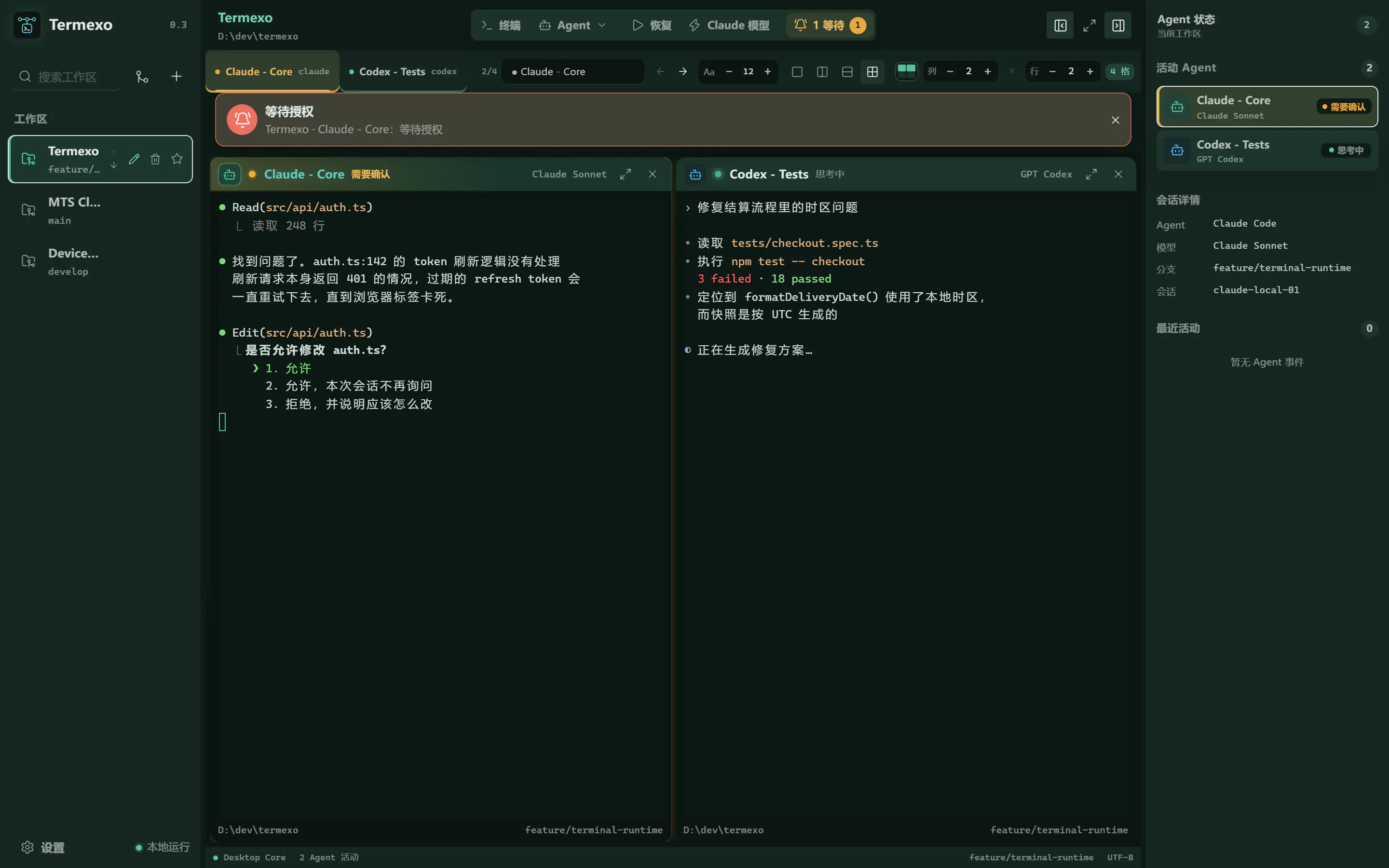
finally something that treats windows like a first class citizen for agent workflows. the grid layout for multiple ptys is honestly the part that sold me, way easier to keep track of what each agent is doing
-
Conner Gislason 3 months ago
the recoverable part is what caught my eye more than the grid layout. when you say it resumes native sessions, does that survive an actual Windows update reboot or a crash, where the PTY process itself is gone, or is it more like restoring the pane arrangement and scrollback while the underlying agent process has to be kicked off fresh? that distinction matters a lot if you're mid-task on something long running.
-
Kyleigh Luettgen 3 months ago
the approval notification thing is honestly such a thoughtful touch, like that's exactly the kind of thing where you're away from your machine and an agent is just sitting there waiting on you. nice execution.
-
Trenton Spencer 3 months ago
Alerting when an agent needs attention is the right primitive. The one nobody builds is the opposite alert, for the agent that's quietly burning your tokens on a loop going nowhere. The profiles already hold the API key, so you could put spend per session next to each PTY tab, and that number changes behaviour faster than any layout feature will. Running two agents at once and having no idea which one ate the budget is the part that actually costs me.
-
Jarrell Homenick 3 months ago
Windows-native is the underserved half of this space — most of the agent tooling assumes macOS, and the WSL workaround means your agent and your editor disagree about what a path is. Does it run the agent inside WSL, on native Windows, or does it let you pick? I ask because the path translation is where I'd expect the friction to actually live. An agent that writes /home/user/... into a config a Windows tool has to read is the kind of thing that works in the demo and breaks in week two.
-
Neal Jacobson 3 months ago
Storing API keys in Windows Credential Manager instead of a config file is the kind of detail that gets this trusted fast.